

24VDC MDR Conveyor Systems
Lower Power Draw. Fewer Moving Parts. Quieter Floor.
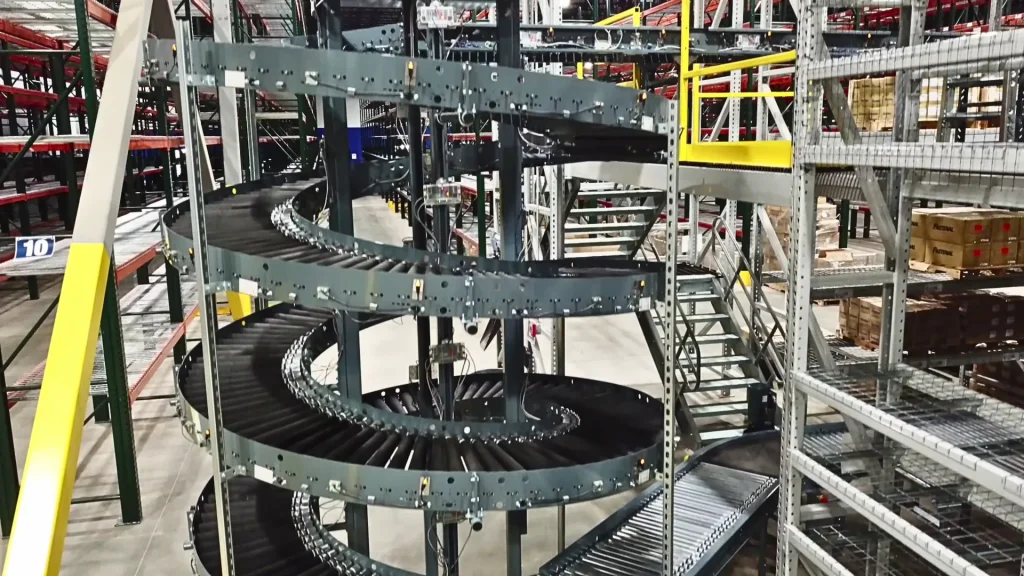
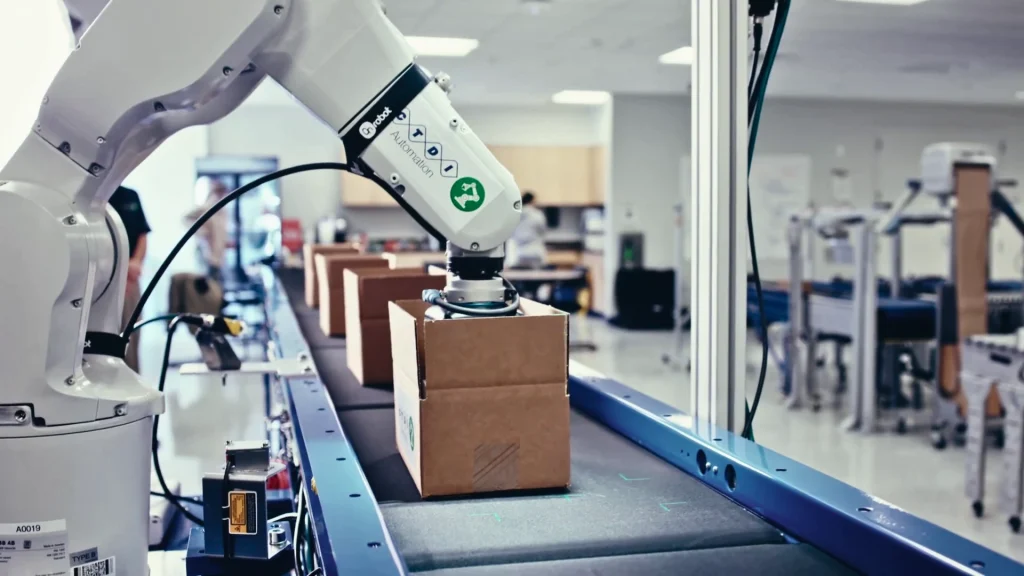
Facility Functions designs, manufactures, installs, and services 24VDC Motor-Driven Roller (MDR) conveyor systems — engineered and built in-house, not assembled from catalog components.
Unlike conventional 460VAC-powered conveyor, 24VDC MDR systems run zone-by-zone instead of continuously. That single design difference is what drives the efficiency, safety, and maintenance numbers below.
Why 24VDC MDR
A 24VDC MDR conveyor uses low-voltage DC motors built directly into the rollers, with zone-level control instead of one motor driving an entire line.
Energy Draw
Rollers energize only when a zone is occupied. Compared to continuously-running 460VAC systems, this cuts motor runtime — and the energy tied to it — by as much as 60%.
Noise
24VDC MDR conveyor typically runs at <50–55 dB(A) at operating speed. Conventional 460VAC systems commonly run 75–85 dB(A). That’s the difference between a normal conversation and a running vacuum cleaner, on the plant floor, all shift.
Total Lifecycle Cost
Lower energy draw, less roller wear, no oil lubrication system, faster zone-level servicing, and fewer product-damage incidents from jams — the combination is what makes MDR lower cost to operate over the system’s life, not just cheaper to run day to day.
Safety
Distributed low-voltage motors eliminate three of the top hazard sources on conventional conveyor: high-voltage motors, long mechanical drive trains, and uncontrolled torque at the roller.
Downtime
Fewer mechanical components, modular roller replacement (swap one zone without shutting down the line), and ZPA zone logic that prevents jams before they happen.
Throughput
Independent zone control means tighter gap control and fewer manual interventions at merges — which shows up most during peak volume, when a fixed-speed system is most likely to jam.
Environmental Profile
No oil lubrication system, lower operating noise, lower heat output at the roller versus a continuously-running motor.
Integrated Diagnostics
Real-time roller status, fault codes, and load-presence data available at the zone level — not just at the line level.
Modular, Zone-Independent Design
Add, remove, or reprogram a single zone without rewiring the full conveyor line — a line can be reconfigured in sections as your product mix or layout changes.
Direct Integration with Warehouse Automation
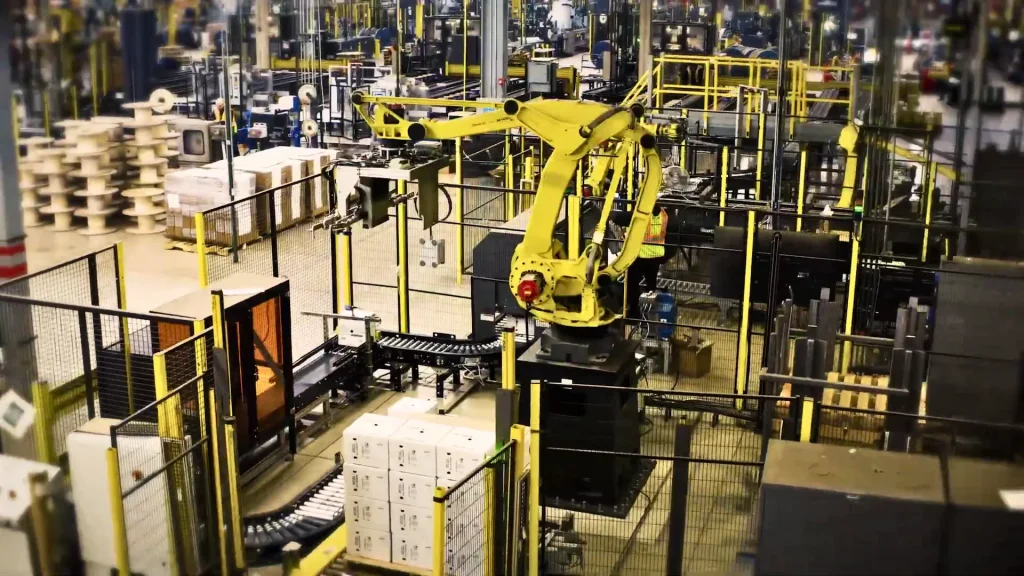
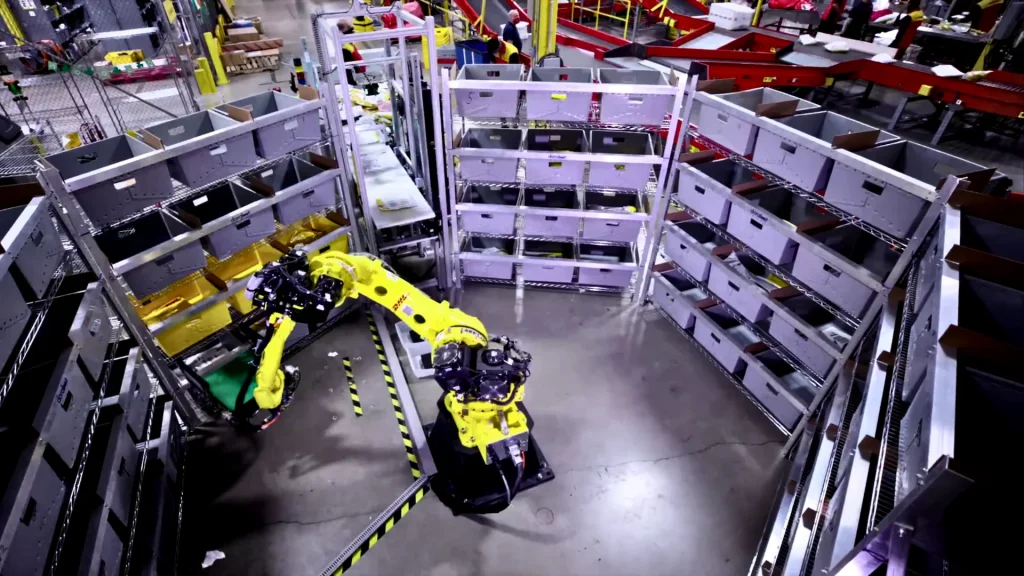
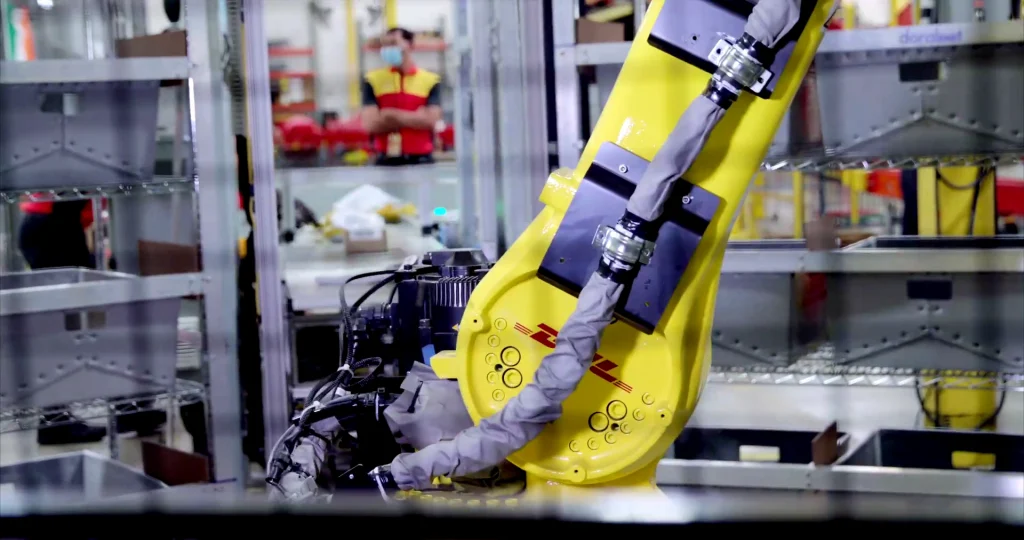
24VDC MDR control architecture integrates with WMS, WCS, and robotic cells at the zone level, giving coordinated handoffs instead of a simple on/off conveyor signal.
Labor Reallocation
Fewer manual touch points at merges and jams frees labor for higher-value tasks elsewhere on the floor.
SKU Flexibility
Zone-level control handles a wide range of product sizes and packaging types on the same line, without reconfiguring the whole system for each SKU profile.
Industries
E-Commerce & Fulfillment
Zone-controlled handling for cartons, totes, and small parcels at variable order volume.
Manufacturing & Assembly
Custom-engineered to your specific product line and line layout — not built around what's already in inventory.
Food & Beverage
Washdown-rated configurations available for packaged goods lines.
Pharmaceutical & Medical
Smooth, jam-resistant conveying for sensitive or high-value product, with zone-level diagnostics for full traceability.
Warehouse & Distribution
Zone control scales from individual SKU handling to full pallet flow on the same control architecture.
Reverse Logistics
Zone-level control supports the stop-start handling returns and refurbishment lines require, without product-on-product impact.
Retail
Built to keep pace with SKU-level compliance, speed, and inventory accuracy requirements without adding headcount.
Packaging
Zone reconfiguration supports SKU expansion and shifting order profiles without a full line rebuild.
24VDC Vs. 460VAC Conveyor
| Feature | 24VDC MDR | 460VAC Conveyor |
|---|---|---|
| Energy Use | Zone-controlled — runs only when occupied | Continuous — motor runs whether or not product is present |
| Reconfiguration | Modular by zone — reprogram or rewire a single zone | Fixed — layout changes typically require re-engineering the line |
| Noise | <50–55 dB(A) at operating speed | ~75–85 dB(A) at operating speed |
| Maintenance | Zone-level roller swap, no oil lubrication | Belt/chain wear components, harder to access mid-line |
| Safety | Low-voltage, no long drive train, distributed torque | High-voltage motor, long drive train, higher torque at failure points |
Frequently Asked Questions
What does MDR mean in conveyor systems?
MDR stands for Motor-Driven Roller. Instead of one motor driving belts or chains across an entire section, each roller — or small group of rollers — has its own motor and powers an independent zone.
What is a 24VDC MDR conveyor system?
A conveyor system where each zone is powered by a low-voltage DC motor built into the roller itself, rather than a single central motor running the full line. This is what enables zone-level accumulation, energy savings, and independent fault isolation.
How do 24VDC MDR conveyors save energy?
Rollers only energize when a zone’s sensor detects product present and the zone ahead is clear. An idle zone draws effectively no power. A conventional 460VAC line-shaft or centrally-driven conveyor runs its motor continuously regardless of whether product is on the line — so the energy savings come specifically from that occupied-vs-idle distinction, not from a generically “more efficient” motor.
Are 24VDC MDR conveyors safer than 460VAC systems?
Yes. Low-voltage motors reduce electrical hazard exposure, and the distributed-torque design removes the long mechanical drive train that’s a common pinch-point source on centrally-driven conveyor.
Can 24VDC MDR conveyors handle heavy loads?
Yes. Standard configurations handle cartons, totes, and packaged goods; heavier unit loads are supported with larger roller motors or a CDLR (Chain Driven Live Roller) configuration for pallet-class weights. See our Conveyor Configurations section for load-specific options.
What makes 24VDC MDR conveyor both hand-safe and powerful enough to move heavy product?
The relevant number isn’t torque directly — it’s tangential force: the actual force delivered at the roller’s surface, equal to motor torque divided by roller radius. Each roller’s motor is sized to keep that tangential force low — enough to move product against normal rolling resistance, but low enough that a hand can stop a single roller without strain or injury.
Heavy loads move anyway because tangential force is additive across rollers. A pallet or heavy tote typically rests on several powered rollers at once, so the total force moving it is the sum across all of them — not the output of any single motor. That’s the distinction: low, hand-safe force per roller, multiplied by however many rollers are under the load at any given time.
Can I retrofit my existing conveyor system with 24VDC technology?
Yes. We retrofit existing lines with 24VDC motors and controls — either a full line conversion or targeted zones — without requiring a full system replacement.
What industries use 24VDC MDR conveyors?
Distribution, e-commerce, manufacturing, food & beverage, and pharmaceutical operations, among others — anywhere zone-level control and flexible reconfiguration matter more than a fixed, high-speed single-purpose line.
What does Zero Pressure Accumulation (ZPA) mean?
ZPA is the control logic that lets products stop and buffer on a line without touching each other. On a conventional conveyor, if the lead item stops, the motor keeps pushing everything behind it into the item ahead — creating back-pressure and product damage. ZPA prevents this by dividing the line into independently-controlled zones:
- Zoning: the line is divided into segments, each sized slightly longer than the longest product expected on the line.
- Sensing: each zone has a photo-eye sensor that detects when product enters it.
- Zone-to-zone logic: each zone checks the zone directly ahead before running — if that zone is occupied, the motor behind it stops; if it’s clear, the motor runs and advances the product.
Ready to Upgrade to 24VDC?
Whether you’re expanding a facility, converting from AC-powered conveyor, or building a new line from scratch, Facility Functions engineers and builds your system in-house — from initial layout through installation and long-term support.